
Education
Learn & Grow
A living library for desert permaculture — principles, guild design, and the teachers whose work shaped ours.
Permaculture — How & Why
Permaculture is a design system for creating productive, resilient landscapes that mimic the patterns of natural ecosystems. The word itself is a contraction of permanent and agriculture — later broadened to permanent culture — and it asks a simple question: how do we meet human needs without depleting the systems we depend on?
The framework was developed in the 1970s by two Australians, Bill Mollison and David Holmgren. They combined insights from indigenous land management, ecology, systems thinking, and traditional agriculture into a coherent design methodology. Holmgren later distilled the approach into 12 design principles — the backbone of modern permaculture teaching.
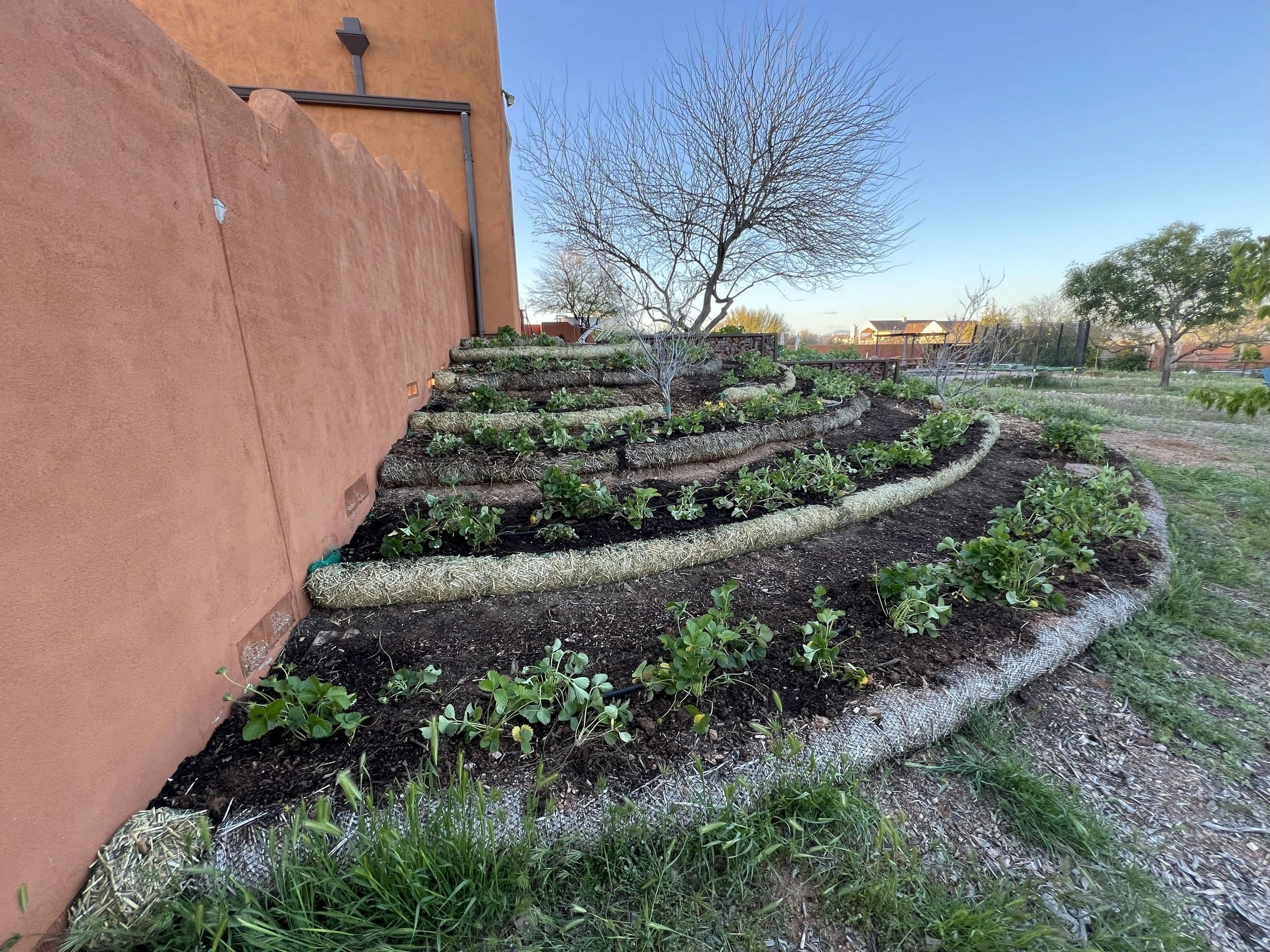
At Wild Cactus Farm, permaculture isn't a theory — it's the working operating system of every bed, swale, tree, and animal. It's how we grow food in the Sonoran Desert without fighting the climate.

Start Here — Foundational Videos


The Three Ethics
Every permaculture design rests on three non-negotiable ethics:
Earth Care
Provide for all life systems to continue and multiply.
People Care
Ensure people have access to the resources necessary for their existence.
Fair Share
Redistribute surplus. Set limits to consumption so the first two ethics remain possible.